Thinking about updating your Bloomington split-level before you sell? You’re not alone. Many local homes were built in the 1960s and 1970s, and a few smart upgrades can make a big difference in how buyers respond. In early 2026, Bloomington single-family values sit in the mid-to-high $300Ks, so choosing projects that improve first impressions, function, and energy performance can help you compete at that price point. In this guide, you’ll learn which split-level remodels tend to pay off here, how to navigate permits and Time-of-Sale rules, and what to budget so you can plan with confidence. Let’s dive in.
Why split-level updates pay in Bloomington
Many Bloomington neighborhoods still feature mid-century homes, including a strong share of split-levels. That means your house likely shares similar layouts, materials, and systems with others nearby. When you update key areas, buyers see value quickly and your listing stands out.
Local housing materials show single-family values in the $360K range, which puts a spotlight on projects that sharpen curb appeal, deliver move-in-ready kitchens and baths, and improve energy performance without overextending your budget. The City’s housing report provides broader context on local conditions and programs that can support improvement planning. You can review the City’s overview in the Bloomington Housing Report.
Buyer preferences also support this focus. National surveys of homeowners and agents point to high interest in updated kitchens and baths, open sightlines, curb appeal, and energy efficiency. The NAR Remodeling Impact Report summary echoes those priorities, which align well with what buyers expect in Twin Cities suburbs.
High-ROI projects for Bloomington split-levels
Boost curb appeal fast
Curb appeal is your first showing. On many split-levels, the garage and front door dominate the façade, so small upgrades carry outsized impact.
- Replace an aging garage door with a clean, contemporary model. It is consistently one of the top cost-recovery projects in Cost vs Value benchmarks.
- Refresh or replace the front door. A simple steel entry door in a modern color immediately improves first impressions and photos.
- Update siding or add a selective accent. Vinyl or fiber-cement refreshes and manufactured stone veneer bands can modernize a 1960s elevation and signal a well-kept home.
Kitchen refresh that sells
A thoughtful kitchen update often moves the needle more than any other interior project. You do not need a full gut to get results.
- Focus on visible finishes: paint or reface cabinets, install new hardware, add a durable quartz or solid-surface counter, and update lighting.
- Choose a larger single-bowl sink and a sleek, high-arc faucet for daily function.
- Replace only truly dated or failing appliances to keep the budget in check.
Midrange kitchen projects typically perform well in Cost vs Value data, and they align with buyer demand for move-in-ready spaces.
Bathroom updates with impact
Buyers notice clean tile, bright lighting, and fresh fixtures. A midrange bath refresh can go a long way.
- Replace a tired vanity and mirror, add a modern faucet, and retile or reglaze a worn tub surround.
- Bright, neutral paint and new lighting improve photos and in-person showings.
These pragmatic upgrades tend to have fair recovery at sale based on Cost vs Value reporting.
Lower level that actually works
Split-levels often include a lower-level family room or bonus rooms. Buyers expect that space to feel dry, bright, and usable.
- Address moisture first: improve drainage, add a sump or interior drain where needed, and use durable finishes.
- If you plan to market a lower-level room as a bedroom, you will need a compliant egress window or exterior door. See a plain-language overview of bedroom egress basics in this egress window guide.
Basement remodels can add real livability, but they are costlier. Keep scope focused on dryness, egress, and clean finishes for the best resale story.
Energy-smart upgrades for our climate
In Minnesota, buyers value comfort and lower utility costs. Targeted improvements can strengthen your listing and reduce ownership costs.
- Improve insulation and air sealing, then consider a heat-pump water heater or efficient HVAC where appropriate.
- Selective window replacements can help, especially if originals are failing.
Utility rebates and programs can offset costs. Review Minnesota-specific incentives and program notes on HomeEnergyBasics, and consult IRS guidance on the current Energy Efficient Home Improvement Credit at the IRS website. Always confirm timing and eligibility before you buy.
Outdoor living that extends space
A simple, code-compliant deck or refreshed patio increases usable living area for three seasons. Keep materials low-maintenance and plan for easy furniture layouts to help buyers imagine everyday life outdoors.
Split-level design strategies buyers love
Open the entry sightlines
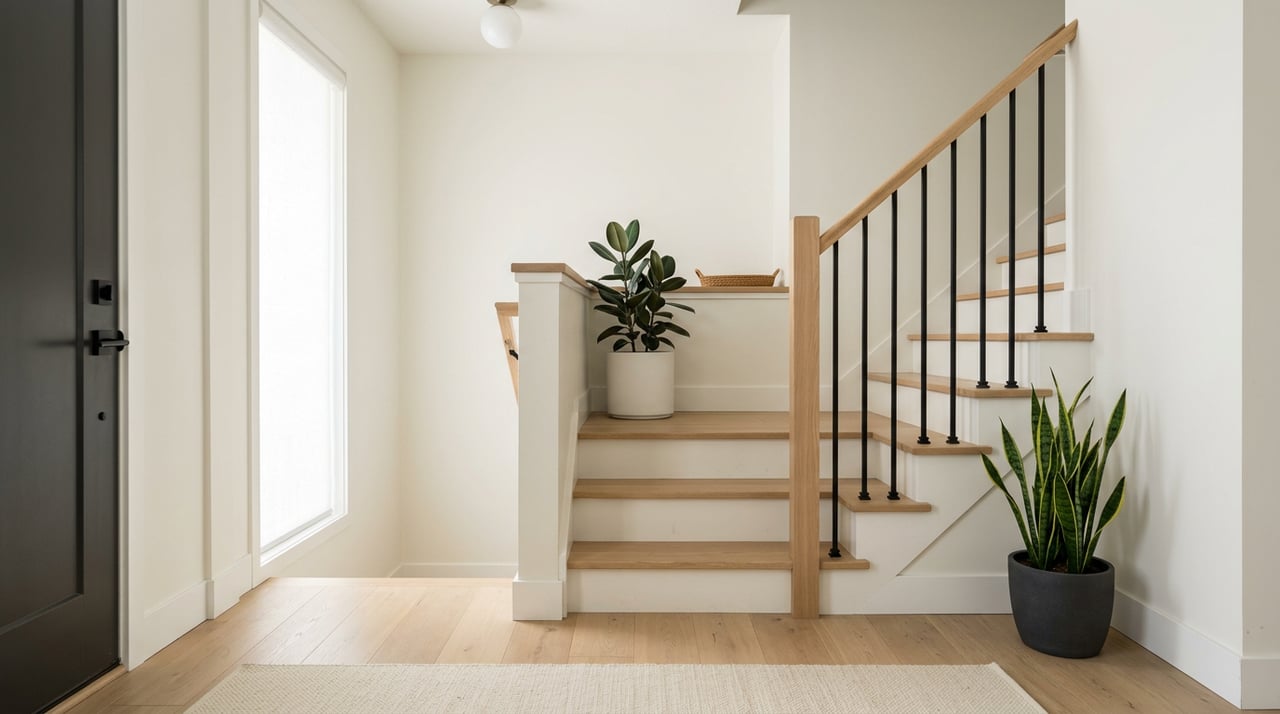
Many Bloomington split-levels have a short wall or knee wall near the foyer that blocks views into the main living area. Removing small partitions, adding open railings, or introducing a properly sized structural beam between kitchen and dining can make the whole level live larger. Structural work requires plan review and permits. See the City’s permit FAQs for what triggers permits and inspections on structural, electrical, and mechanical changes at the Bloomington Building Division FAQ.
Make circulation practical
Split-level kitchens often feel tight at the entry or where stairs meet the work zone. When you refresh the kitchen, think flow first.
- Widen walkways where possible and avoid island overhangs that pinch circulation.
- Use consistent, neutral finishes for visual calm and better staging.
- Layer task and ambient lighting for a bright, welcoming feel.
These tweaks, paired with a midrange finish package, can read like a major upgrade in photos without the major price tag.
Permits, Time-of-Sale, and safety in Bloomington
Before you start, plan for Bloomington’s permit and Time-of-Sale requirements.
- Permits: Most structural, electrical, plumbing, HVAC, and egress work requires permits and inspections. Start with the City’s permit FAQ to understand scope and timing.
- Time-of-Sale inspection: Bloomington requires a TOS inspection before closing. It identifies hazards that may need correction and includes an energy disclosure, but it does not cover environmental hazards like lead, asbestos, or radon testing. Learn what to expect on the Time-of-Sale program page.
- Radon: Minnesota has elevated radon levels, and finished basements make testing especially important. The City outlines local guidance and mitigation resources on its radon information page. Testing and mitigation are relatively modest costs that can streamline negotiations.
- Bedroom egress: If you want to advertise a lower-level bedroom, make sure the window or door meets egress standards. Review basic size and sill height concepts in this egress explainer, then confirm specifics with the City during permitting.
Budget ranges and how to plan
Use national and regional benchmarking as a starting point, then confirm with local contractor quotes.
- Minor to midrange kitchen refresh: commonly about $25K to $30K.
- Midrange bath update: often $20K to $30K, depending on tile and plumbing scope.
- Garage door replacement: typically in the low $4Ks.
- Basement remodel: can exceed $50K based on waterproofing, egress, bath additions, and finish choices.
- Siding or manufactured stone veneer: higher-ticket items that deliver strong front-elevation impact.
These figures reflect representative 2025 benchmarks in Cost vs Value reporting. Pair them with on-site estimates to dial in your Bloomington-specific budget.
If you plan to finance improvements, check local options. The City’s Housing and Redevelopment Authority shares information on home improvement resources and buyer support in its annual housing report. For energy-related upgrades, explore utility rebates and review evolving federal credits through the IRS energy credit page. Program rules change, so confirm eligibility and timelines before committing.
Resale-focused checklist for Bloomington split-levels
- Curb appeal first
- Replace the garage door, refresh the front door, clean or paint siding, tidy landscaping, and update house numbers and lighting.
- Refresh the kitchen
- Reface or paint cabinets, update counters and hardware, modernize lighting, and replace only truly dated appliances.
- Clean, functional baths
- Update fixtures, lighting, and tile where needed. Recaulk and regrout for a crisp, cared-for look.
- Fix safety and mechanical issues
- Resolve roof leaks, electrical or HVAC hazards, and any Time-of-Sale corrections to avoid concessions later.
- Make the lower level count
- Mitigate moisture, ensure bedroom egress, and finish with durable, neutral materials.
- Target energy upgrades with rebates
- Air seal and insulate first, then consider HVAC or water-heater upgrades and selective window replacement.
Common pitfalls to avoid
- Over-improving beyond neighborhood comps. Stay aligned with nearby closed sales and your home’s price band.
- Starting structural work without an engineer and permits. That choice risks delays, budget overruns, and failed inspections.
- Skipping radon or environmental checks in a finished basement. Surprises during buyer due diligence can derail closings.
How we help you get it done
You do not need a massive renovation to win buyer attention. Strategic, design-led updates deliver strong returns, especially on Bloomington split-levels. Our boutique team pairs certified staging with remodel planning and hands-on project coordination so you get a cohesive plan, vetted contractor options, and finishes selected for broad buyer appeal. The result is a smoother prep process, better photos, and stronger offers.
If you want a step-by-step plan tailored to your home, schedule a free consultation. Start Your Home By Design with Shelly Rae Linnell and we will help you prioritize updates, manage the details, and launch your listing with confidence.
FAQs
What split-level upgrades deliver the best ROI in Bloomington?
- Focus on curb appeal items like a new garage or front door, a midrange kitchen refresh, clean bath updates, and moisture-safe lower-level finishes, supported by Cost vs Value trends.
Do I need a permit to remove a wall in a Bloomington split-level?
- Yes, structural changes typically require permits and inspections; review the City’s process in the Building Division FAQ and plan for engineer input.
Can I market my lower-level room as a bedroom without an egress window?
- No, a bedroom needs a compliant egress window or exterior door; see a plain-language overview in this egress guide and confirm details with the City.
What should I budget for a midrange kitchen refresh?
- A typical midrange refresh often ranges from about $25K to $30K based on Cost vs Value benchmarks, then adjust for Twin Cities labor and material choices.
Are there rebates or credits for energy upgrades in Minnesota?
- Yes, utilities often offer rebates, and federal credits may apply; start with HomeEnergyBasics and the IRS credit page to check current programs and eligibility.