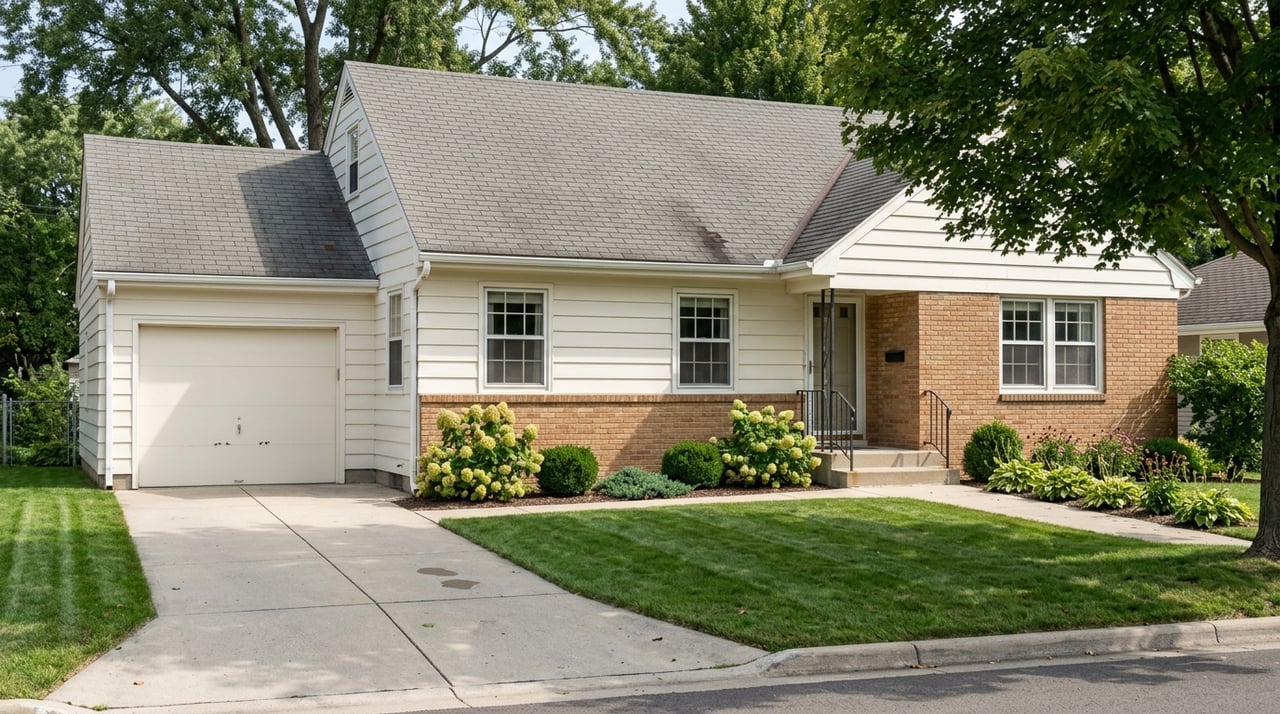
Wondering if that charming older Edina home is a smart buy or a renovation money pit? In a city where much of the housing stock was built decades ago and new inventory often comes through infill or redevelopment, buying a fixer can be a real opportunity if you walk in with a clear design plan. When you know what to evaluate before you offer, which updates tend to support resale, and how Edina’s review process can affect your timeline, you can make a much more confident decision. Let’s dive in.
Why Edina fixers draw buyers
Edina has a lot of older housing by design and by history. The city’s housing chapter says 55% of the housing stock was built in the 1960s or earlier, and much of the community was largely built out by the early 1980s. That means many buyers are not choosing between brand-new homes and older homes. They are choosing between homes that have already been updated and homes with room for improvement.
That matters because Edina remains a high-value market. Census QuickFacts lists a median owner-occupied housing value of $646,300 for 2020 through 2024, while 2026 market snapshots reported median prices in the high $600,000s and homes selling in about a month. In a market like that, a fixer can make sense, but only if you understand the home’s design potential, review requirements, and likely resale ceiling.
Start with the floor plan
A good fixer is not always the one with the biggest project list. Often, it is the home with a layout you can improve without adding square footage. If the room flow, natural light, storage, and everyday function can be upgraded through smart design choices, you may get a better result with less cost and less complexity.
Before you fall in love with finishes you plan to change later, look at the bones of the house. Ask yourself whether the kitchen connects well to living spaces, whether bedroom placement works for your needs, and whether underused areas could be reworked into more functional space. In many cases, a thoughtful interior redesign can create a very different feel without pushing into major additions.
That approach also fits how Edina reviews bigger changes. For larger redevelopment work, the city reviews setbacks, lot coverage, height, stormwater, and zoning compliance before issuing a new-construction permit. So if your dream plan depends on a large bump-out or major expansion, it is important to know early whether the site can support it.
What to verify before you make an offer
Buying a fixer in Edina calls for more than a standard walk-through. You want to understand not just what the home is today, but what it can realistically become.
Check permit history
Edina requires permits for most construction, alteration, repair, finishing unfinished spaces, and many exterior replacements, including windows, roofing, and siding. The city also offers permit-history and site-address permit searches through ePermits, which can help you see whether prior work appears to have been documented.
If you are looking at a remodeled kitchen, finished basement, or newer exterior work, permit history can help you understand scope and timing. Electrical permits are issued by the State of Minnesota, so that is another part of the picture when you are evaluating past updates.
Confirm age-related health checks
If the home was built before 1978, federal law requires lead disclosure. That does not mean you should avoid the property, but it does mean you should plan carefully for any renovation that disturbs painted surfaces.
EPA guidance says contractors doing renovation work that disturbs painted surfaces in pre-1978 homes generally must be certified and follow lead-safe work practices. In Minnesota, radon also deserves attention. The Minnesota Department of Health recommends testing all homes for radon and retesting every 2 to 5 years, including before and after changes such as finishing a basement or adding an addition.
Review historic and exterior restrictions
Not every Edina property will have exterior review limitations, but some do. The city’s Heritage Landmark process can require approval for significant exterior changes, and demolition is generally prohibited unless safety is impacted.
In the Country Club District, a certificate of appropriateness is required for demolition, new construction, and significant street-facing structural changes. If the home is in a heritage district or has preservation rules, your exterior renovation options may be narrower than you expect.
Understand site constraints
The lot matters almost as much as the house. Edina’s tree protection ordinance applies to projects that require a building permit, and tree protection plans and permits are required for demolition permits, grading permits, building permit applications for principal and accessory structures, and additions.
If your renovation idea depends on site work, an addition, or major exterior changes, tree protection can affect planning and cost. The city also notes that some sites may require watershed-district confirmation when the property borders a wetland, pond, waterbody, or creek.
Which fixer projects usually make sense
Not every renovation dollar performs the same way. Regional cost-versus-value data for the West North Central region shows that visible exterior updates often deliver some of the strongest recoup.
For example, garage door replacement averaged 158.4% cost recouped, steel entry door replacement averaged 152.5%, and manufactured stone veneer averaged 111.2%. Those numbers suggest that curb appeal projects can have an outsized impact, especially when they improve the first impression of an older home.
Inside the home, a minor kitchen remodel tends to stand out more than a major overhaul. The regional benchmark showed a minor kitchen remodel with 83.3% recouped, while major kitchen and upscale bath remodels recouped much less. Bathroom additions, primary suite additions, and other larger expansions showed even lower recoup percentages.
For many Edina fixer buyers, that points to a practical strategy:
- Improve layout and function first
- Refresh kitchens thoughtfully rather than overspending
- Prioritize visible exterior updates
- Be cautious about large additions unless nearby values clearly support them
Because Edina is already a high-value market, it is easy to assume every improvement will pay off. In reality, your best outcome often comes from matching the renovation plan to the home’s likely post-renovation ceiling, not simply spending more.
Build your design plan before closing
One of the biggest mistakes fixer buyers make is waiting until after closing to figure out the renovation strategy. A better approach is to sketch the plan before you buy.
That does not mean finalizing every finish or pricing every fixture. It means identifying the must-have changes, the nice-to-have updates, and the items that may need city review. When you do that early, you can compare the purchase price, renovation scope, and likely future value more clearly.
A simple planning sequence
A design-led fixer plan usually works best in this order:
Safety and code items
Start with issues that affect health, habitability, or required permits.Layout and function
Improve flow, storage, and day-to-day use before spending heavily on finishes.Visible finishes
Update the surfaces and details that make the home feel cohesive and current.Optional expansion
Consider additions only after you understand cost, city review, and neighborhood value limits.
This sequence fits both practical budgeting and Edina’s permit structure. It also helps you avoid pouring money into cosmetic work before the underlying plan is right.
Know the timeline in Edina
If you are trying to line up move-in, contractor schedules, and financing, timing matters. Edina says residential permit review generally runs 5 to 10 business days depending on workload and application completeness. For interior remodel packets, the city says to allow at least two weeks for plan review.
That is only part of the timeline for more complex projects. If your plans involve demolition, additions, or major exterior changes, you may also need zoning review, historic review, tree protection approval, and in some cases watershed-related confirmation. Beginning work without a permit is a violation of state law, so it is worth building review time into your plan from the start.
How to think about value ceiling
A fixer is only a smart buy if the finished product still fits the local market. In Edina, where list and sale prices are already strong, the question is not just whether you can improve the home. The better question is whether your renovation budget matches what buyers are likely to pay for that location, lot, and home style once the work is done.
This is where a design-minded buying strategy really matters. You want to compare the subject property to nearby updated homes with similar size, site conditions, and overall appeal. That helps you estimate whether a modest redesign and refresh is the smarter move, or whether the numbers truly support a larger renovation.
Why a design-first approach helps
Buying a fixer without a plan can leave you reacting to surprises. Buying with a design plan helps you see the property more clearly from the beginning. You can spot layout opportunities, flag likely review issues, prioritize updates, and avoid over-improving in ways the market may not reward.
In a place like Edina, where older homes, infill pressure, and renovation activity all shape the market, that kind of clarity can make a major difference. The right fixer is not just a house that needs work. It is a house where the design vision, the city requirements, and the value strategy all line up.
If you want help evaluating an Edina fixer through both a real estate and design lens, Shelly Rae Linnell can help you think through layout potential, renovation priorities, and the resale implications before you commit.
FAQs
What should you check before buying a fixer in Edina?
- You should review the floor plan, permit history, pre-1978 lead disclosure, radon testing needs, historic district status, tree protection requirements, and whether the lot can support your renovation goals.
Can you improve an Edina fixer without adding square footage?
- Yes. In many cases, better room flow, storage, natural light, and function can come from reworking the existing layout rather than building an addition.
Do older Edina homes need special lead-safe renovation steps?
- If a home was built before 1978, federal lead disclosure rules apply, and renovation work that disturbs painted surfaces generally must follow lead-safe work practices using certified contractors.
Are exterior changes always easy on older Edina homes?
- No. Some properties are subject to heritage or district review, and in places like the Country Club District, significant exterior changes, demolition, and new construction can require a certificate of appropriateness.
How long do permits take for remodeling in Edina?
- Edina says residential permit review generally takes 5 to 10 business days, and interior remodel packets should allow at least two weeks for plan review, with longer timelines possible for more complex projects.
Which fixer updates tend to support resale most?
- Regional data suggests visible exterior projects and minor kitchen remodels often recoup more than large additions or major upscale interior renovations.