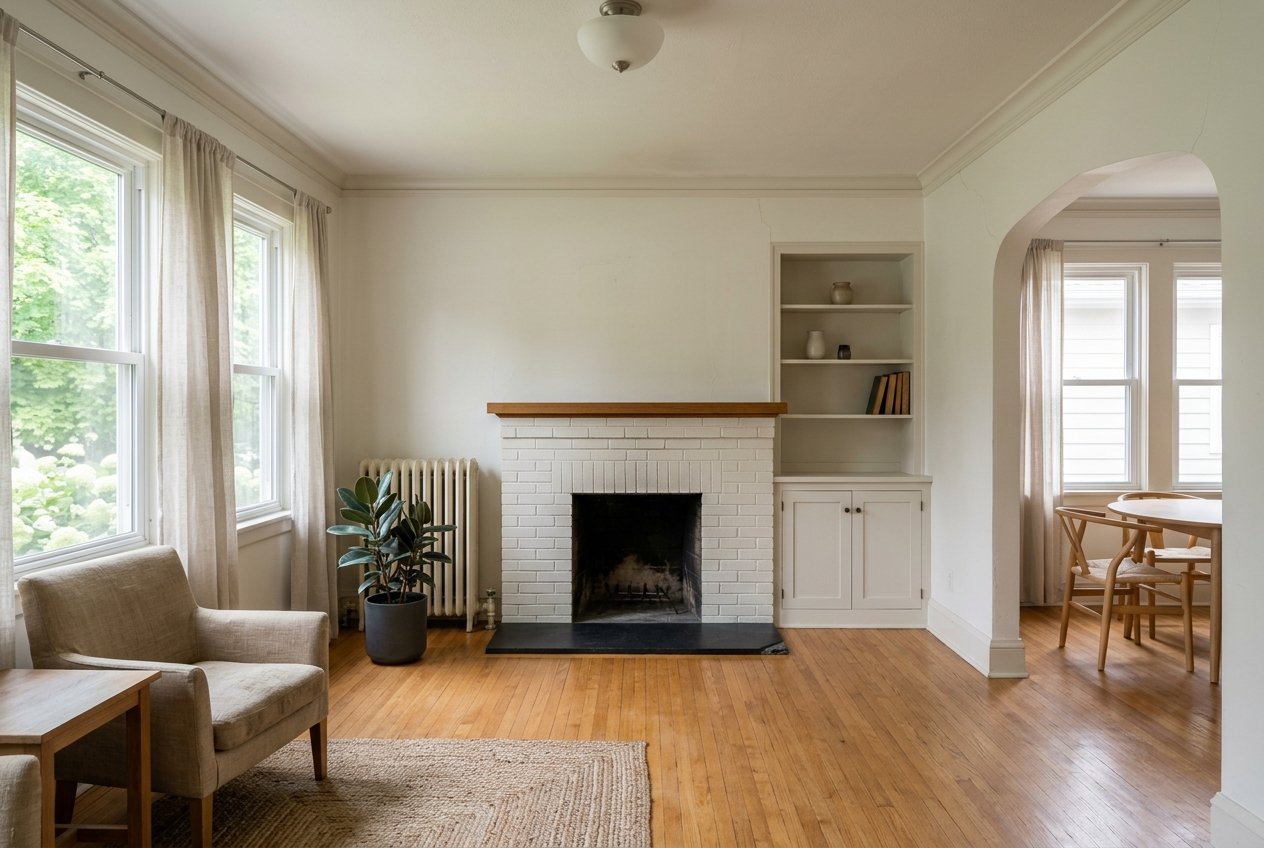
Wondering whether an older Minneapolis home is a hidden gem or a money pit? You are not alone. Many buyers are drawn to the character of early Minneapolis homes but want to make smart, design-conscious updates without taking on more than they bargained for. The good news is that with the right plan, an older home can offer both charm and real remodel potential. Let’s dive in.
Why older Minneapolis homes stand out
Older homes are not a niche in Minneapolis. They are part of a broad resale market in a city where the owner-occupied housing rate was 47.7% from 2020 to 2024, according to the U.S. Census Bureau QuickFacts.
What makes these homes especially appealing is the mix of original character and workable layouts. Many have features buyers still love today, like front porches, built-ins, basements, and compact footprints that can be improved over time.
Minneapolis also has deep architectural variety. The city has more than 200 locally designated landmarks and historic districts, and its preservation guidance makes clear that designation is meant to guide change, not freeze a building in place.
Common home styles to know
If you are shopping for an older Minneapolis home, it helps to recognize the styles you are likely to see. That can help you understand how a home may function today and where remodeling opportunities may exist.
Bungalows and Craftsman homes
Bungalows were one of the most common house types built in Minnesota from about 1910 through the early 1920s. In Minneapolis, these homes often include gable roofs, broad eaves, built-ins, full basements, and three-season porches.
For buyers, that often means strong bones for phased updates. You may be able to preserve the charm while improving kitchens, baths, lighting, storage, and basement use over time.
Prairie and Craftsman hybrids
Some Minneapolis homes blend Prairie School and Craftsman features. These can include wide eaves, side-gabled or hipped roofs, partial-front porches, and more open plans than some older house types.
That matters if you want a home that already feels a little more connected room to room. A more open L-shaped or compact main-floor layout can make remodeling feel more straightforward.
American Foursquare homes
The American Foursquare is usually a square, two-story home with a dormered hip roof and full front porch. It is a practical footprint that can look very different from one block to the next because the decorative details vary.
From a remodeling perspective, this shape often gives you a clear structure to work with. Buyers are often drawn to the balanced layout, room sizes, and expansion possibilities within an already efficient form.
Period-revival homes
Not every older Minneapolis home is a bungalow. The city’s historic resources also point to popular 1920s and 1930s period-revival styles, including English Medieval Cottage homes.
These homes can feel more formal or highly individualized. If you are considering one, it is worth thinking carefully about which original elements you want to preserve and where modern updates will make the biggest day-to-day difference.
What remodel potential really looks like
Remodel potential does not always mean a full gut renovation. In many older Minneapolis homes, the best opportunity is to improve the house in stages while keeping the features that give it personality.
That often starts with understanding the difference between cosmetic updates and system or safety issues. A home with dated finishes may still be a great opportunity. A home with larger issues may still work too, but only if the budget and scope make sense for you.
Good signs for phased improvements
When you walk through an older home, look for features that can support gradual updates:
- Original built-ins and millwork worth keeping
- A usable porch or entry with character
- A full basement with future function in mind
- A compact layout that could improve with better flow
- Kitchens or baths that are outdated but still serviceable short term
These kinds of homes can be especially appealing if you want to move in, learn the house, and renovate with a plan instead of rushing every decision.
Start with the TISH report
In Minneapolis, one of the first documents to ask for is the TISH report. TISH is the city’s baseline evaluation used in many home sales, and it can give you a clearer picture of a property’s current condition.
The checklist commonly looks at items like attic insulation, chimneys, drainage, dampness, foundations, electrical service panels, heating equipment, gas piping, roofing, plumbing, stairs, and windows. That gives you a more practical starting point than judging a home only by finishes.
Just as important, some visible wear is not automatically a required repair. Chipped paint, missing storm windows, torn carpet, or functional galvanized plumbing may show age, but they do not always carry the same urgency as drainage, electrical, or structural concerns.
Check safety and systems before finishes
If you love the look of an older home, it is easy to start imagining paint colors and kitchen ideas right away. But the smartest update path usually starts with the less glamorous work first.
A practical order often looks like this:
- Health and safety issues
- Envelope and major systems
- Layout or structural changes
- Cosmetic finishes
That means dealing with concerns like lead risk, obvious code items, roof issues, drainage, insulation, HVAC, plumbing, or electrical before spending heavily on surface-level upgrades.
Lead safety matters in pre-1978 homes
Lead safety deserves special attention because it is separate from the TISH checklist. Minneapolis says the most common cause of lead exposure in homes is lead-paint dust and encourages buyers of pre-1978 homes to find out whether lead is present and repair deteriorating paint.
The Minnesota Department of Health says older homes are more likely to contain lead-based paint. Its guidance notes that about 75% of homes built before 1978 contain some lead-based paint, with greater risk in homes built before 1950.
If you are planning sanding, scraping, window replacement, or other disturbance of painted surfaces, this is something to address early in your planning.
Know what may need permits
Not every project requires a permit, but many do. Minneapolis says most construction projects require permits and on-site inspections, though some small projects are exempt.
Examples the city lists as often exempt include paint, wallpaper, floor tile and carpeting, cabinets and countertops, and some smoke or carbon monoxide detector work. Some small exterior items may also be exempt, such as certain gutters, fences, decks, or sheds, depending on size and conditions.
That can be encouraging if your first phase is mostly cosmetic. Still, the city notes that scope, size, location, and conditions matter, so it is wise to confirm requirements before starting work.
Historic status can shape exterior plans
If the home is a locally designated landmark or located in a historic district, exterior renovation plans may face another layer of review. In Minneapolis, that can include changes to additions, demolition, relocation, roofing, windows, porches, doors, and exterior materials.
That does not mean you cannot renovate. The city’s preservation guidance specifically says review is meant to guide change rather than stop it, but buyers should understand that compatibility may matter for certain exterior decisions.
This is especially important if your vision includes replacing windows, reworking a porch, adding square footage, or changing exterior materials soon after purchase.
Budget with a bigger cushion
Older homes often come with more variables, so conservative budgeting matters. Beyond the mortgage, your total monthly housing cost can include property taxes, mortgage insurance, homeowners insurance, supplemental insurance, and any HOA fees, along with utilities, maintenance, and repairs.
You will also want room for closing costs, moving expenses, furnishings, and renovation work. If you are buying an older home specifically for its upside, a financial cushion gives you more flexibility when the real condition picture becomes clearer.
Financing a purchase and remodel together
If the home needs more than paint and flooring, financing may be part of the strategy. HUD’s Section 203(k) program is designed to finance the purchase or refinance of a home that is at least one year old along with rehabilitation costs.
Eligible improvements can include health and safety fixes, structural repairs, plumbing, electrical, heating and air systems, roofing or siding, porches and decks, garages, accessibility work, and finishing attics or basements. For some buyers, that can create a path to take on a home with strong potential that needs more than light updating.
A smart mindset for Minneapolis buyers
The best older-home purchases are usually not the ones with the flashiest inspiration photos. They are the ones where charm, condition, budget, and long-term plans all line up.
In Minneapolis, that often means looking past surface-level imperfections and asking better questions. What is original and worth preserving? What needs attention now? What can wait? And how can you improve the home in a way that supports both daily living and future resale?
When you approach the process with a clear eye for design, systems, and timing, an older home can become more than a project. It can become a home with lasting character and thoughtful updates that truly fit your life.
If you are considering an older Minneapolis home and want help evaluating remodel potential before you buy, Shelly Rae Linnell can help you think through layout, finish possibilities, and the practical steps that turn character into value.
FAQs
What should you ask for when buying an older Minneapolis home?
- Ask for the Minneapolis TISH report first, since it gives you a baseline evaluation of key components like roofing, drainage, foundation, plumbing, electrical, heating, stairs, and windows.
Can you paint and replace flooring in Minneapolis without a permit?
- Often yes for smaller jobs like paint, wallpaper, floor tile, and carpeting, but Minneapolis says permit exemptions depend on the project scope, size, location, and conditions.
Does a historic district prevent renovations in Minneapolis?
- No. Minneapolis says preservation review is meant to guide change, but some exterior alterations may need review for compatibility.
Are older Minneapolis homes likely to have lead-based paint?
- Yes, especially if the home was built before 1978, and risk is higher in homes built before 1950, according to Minnesota health guidance.
Can you finance both the home purchase and renovation costs together?
- Sometimes. HUD’s Section 203(k) program is designed for eligible homes that need rehabilitation as part of the purchase or refinance plan.