Wondering what it’s really like to live in Minneapolis neighborhoods? If you are trying to picture your day-to-day life here, the answer is not just “city living.” Minneapolis feels more like a collection of distinct places, each with its own pace, layout, and lifestyle. If you are considering a move, this guide will help you understand how neighborhood character, housing choices, parks, transit, and local culture shape everyday life. Let’s dive in.
Minneapolis Feels Like Many Small Places
Minneapolis is Minnesota’s largest city, with an estimated 435,233 residents in 2024. At the same time, the city says it includes 83 residential neighborhoods, and all residents belong to a neighborhood organization.
That combination gives Minneapolis a layered feel. Instead of one uniform urban experience, you get neighborhoods with their own identity, routines, and local gathering spots. For many buyers, that is one of the city’s biggest draws.
The city also puts a strong focus on walking, biking, transit, parks, and neighborhood-level community action. Its Cultural Districts program reflects that local-first approach by supporting commercial corridors, housing, public transit, economic activity, and community ownership.
Daily Life Depends on the Neighborhood
One of the best ways to understand Minneapolis is to think about how you want your average day to look. Some areas support a denser, more walkable, more car-light routine, while others feel more residential and tied to lakes, trails, and smaller commercial nodes.
That makes neighborhood fit especially important. Your lifestyle may feel very different in Downtown than it would in Linden Hills, even though both are in the same city.
Downtown and North Loop Living
Downtown and the North Loop offer some of the clearest examples of dense urban living in Minneapolis. These areas are known for walkable streets, river access, shopping, theaters, live music, stadiums, and a strong dining scene.
If you like having amenities close at hand, these neighborhoods may feel convenient and energetic. You may be able to rely less on your car and spend more of your time walking to restaurants, entertainment, or the riverfront.
The Blue Line’s frequent service between downtown Minneapolis and the airport can also be a practical advantage, especially if you travel often or are relocating from out of state.
Uptown and Eat Street Routines
Uptown and Eat Street tend to feel more corridor-based. These areas are known for global cuisine, retail, nightlife, and access to city lakes.
Eat Street also has frequent bus service, which can make getting around easier without always driving. In the busiest stretches, though, parking can be competitive, so your daily routine may involve more walking or transit use.
For buyers who want activity, restaurant options, and a more connected city feel, these areas often stand out. They offer a version of Minneapolis that feels social, lively, and close to the action.
Northeast, Linden Hills, and Longfellow
Northeast is widely known for its arts-and-food identity. The area includes theaters, galleries, breweries, coffee shops, and international food, which gives it a creative, locally rooted feel.
Linden Hills and Longfellow lean more residential and trail-oriented. These neighborhoods are associated with lakes, parks, independent shops, and neighborhood-scale commercial hubs.
If you want a setting that feels a little calmer while still connected to local amenities, these areas may be a better lifestyle match. They often appeal to people who want access to outdoor spaces as part of everyday life.
Housing Options Are Broad
Minneapolis supports a wide range of housing choices. City planning materials highlight options such as accessory dwelling units, duplexes, triplexes, fourplexes, and other small multi-unit homes.
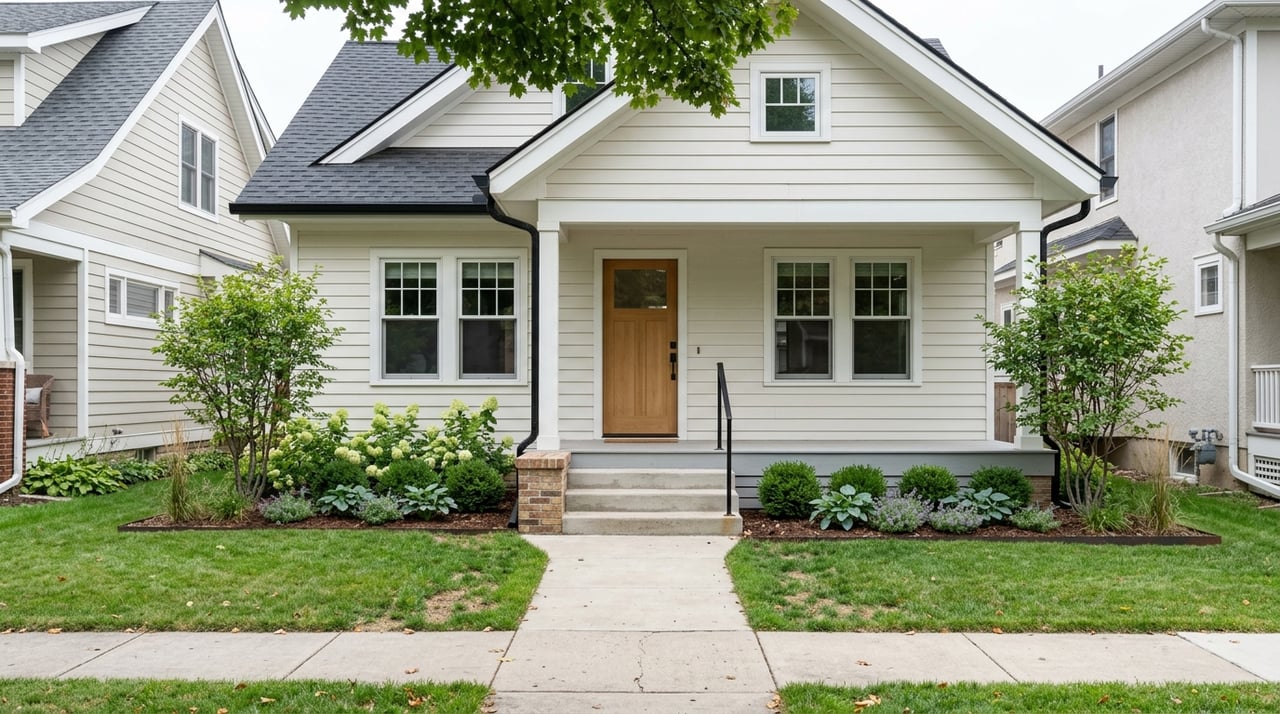
That matters because Minneapolis does not fit one housing stereotype. Depending on the neighborhood, you may find apartments, smaller multi-unit properties, or detached homes that support very different budgets and living preferences.
The city also notes that most people in Minneapolis rent their homes. That means apartment living is a normal and visible part of the housing landscape across the city, not just in a few high-rise districts.
For buyers, this can create a more varied streetscape and more housing formats to consider. For sellers, it reinforces why neighborhood positioning and home presentation matter so much when your property is competing within a broad mix of options.
Parks Shape Everyday Minneapolis Living
Parks are not just an extra in Minneapolis. They are central to how many residents use the city.
The Minneapolis Park & Recreation Board oversees 7,059 acres of parkland and water, 185 park properties, 55 miles of parkways, 102 miles of Grand Rounds biking and walking paths, 22 lakes, 12 formal gardens, seven golf courses, and 49 recreation centers. That is a major part of the city’s identity.
If you enjoy being outdoors, Minneapolis makes it easy to build that into your week. A walk around a lake, a bike ride on the Grand Rounds, or time in a nearby park can become part of your normal rhythm instead of a special outing.
This also affects how neighborhoods feel. Areas near trails, lakes, and parkways often support a more active, outdoors-oriented routine, while still keeping you connected to urban amenities.
Winter Is Part of the Lifestyle
Living in Minneapolis also means planning for all four seasons. Winter is not just something to get through here. It shapes how many people use public spaces and recreation areas.
Residents have access to more than 20 miles of groomed ski trails, 42 ice rinks, sledding hills, snowshoeing routes, and tubing at Theodore Wirth. If you are moving from a warmer climate, this seasonal shift is important to factor into your expectations.
In practical terms, Minneapolis neighborhoods stay active year-round, but the way you experience them may change with the weather. The parks system helps support that transition from summer lake days to winter recreation.
Transit and Mobility Matter
Minneapolis is known for walking, biking, and access to parks, and transit plays a meaningful role in that mix. Metro Transit’s METRO network includes two light rail lines and eight BRT lines.
Buses and trains also have bike racks, and lockers are available at select stations. For residents who like flexible transportation options, that can make it easier to combine biking, walking, and transit in the same trip.
Of course, how useful transit feels to you will depend on where you live and where you need to go. In some neighborhoods, it may become part of your daily routine. In others, it may be more of a helpful backup or occasional convenience.
Dining and Culture Are Neighborhood-Driven
One of the most enjoyable parts of living in Minneapolis is how local the experience feels. Dining, arts, music, and small business corridors often shape a neighborhood’s identity just as much as its housing stock does.
Downtown offers river walks, theaters, museums, shopping, live music, and dining in a walkable setting. North Loop leans trendy and nightlife-heavy, Uptown blends global cuisine with retail and lake access, and Northeast stands out for its strong arts-plus-food identity.
The city’s arts programming and Cultural Districts also reinforce the role of public art, local business corridors, and neighborhood character. That gives Minneapolis a sense of place that feels rooted in specific areas, not spread evenly across the map.
What Type of Minneapolis Fits You?
For many people, the biggest question is not whether Minneapolis is appealing. It is which version of Minneapolis fits your life best.
If you want a denser urban routine, Downtown or the North Loop may feel like a natural fit. If you picture a more residential pattern with lake access, parks, trails, and smaller-scale commercial areas, neighborhoods like Linden Hills or Longfellow may feel more aligned.
A good move often starts with that lifestyle match. It is not only about square footage or price point. It is also about how you want your mornings, weekends, commute, and free time to look.
If you are buying in Minneapolis, it helps to look beyond listing photos and focus on how the neighborhood supports your real routine. If you are selling, it helps to understand which parts of that neighborhood story will resonate most with buyers, from walkability and outdoor access to design potential and everyday convenience.
When you are ready to explore Minneapolis with a sharper eye for lifestyle and home potential, Shelly Rae Linnell can help you evaluate both the home and the way you will live in it.
FAQs
What is everyday life like in Minneapolis neighborhoods?
- Everyday life in Minneapolis depends a lot on the neighborhood, but common themes include access to parks, walkability, biking, transit, and distinct local business corridors.
Which Minneapolis neighborhoods feel most urban?
- Downtown and the North Loop are among the city’s most urban-feeling areas, with walkable streets, dining, entertainment, river access, and dense city living.
Which Minneapolis neighborhoods feel more residential?
- Linden Hills and Longfellow are described as more residential and trail-oriented, with access to lakes, parks, independent shops, and smaller neighborhood hubs.
Does Minneapolis offer different housing types?
- Yes. City materials highlight a range of housing choices, including apartments, accessory dwelling units, duplexes, triplexes, fourplexes, and other small multi-unit homes.
Are parks a big part of living in Minneapolis?
- Yes. Minneapolis has an extensive park system with thousands of acres of parkland and water, lakes, trails, parkways, gardens, golf courses, and recreation centers.
Is public transit useful in Minneapolis?
- Transit is part of daily life for many residents, with two light rail lines, eight BRT lines, and bus and train options that can connect with biking and walking.
What is Minneapolis like in winter?
- Winter is an active season in Minneapolis, with groomed ski trails, ice rinks, sledding hills, snowshoeing routes, and tubing available in the park system.